


Liquid Biopsy cfDNA/RNA Solutions
Nucleic Acid Extraction
The process of separating DNA or RNA from biological samples for further examination.


Zymo Research Quick-cfDNA/cfRNA Serum & Plasma kits enable simple and efficient extraction of circulating cfDNA and cfRNA (including protein-bound, exosomal, microRNA and other small RNA).

The MAGicBead™ cfDNA Isolation Kit features a unique, magnetic bead surface chemistry that facilitates unparalleled cfDNA recovery from biofluids. Input volumes can range up to 10 mL of plasma. It is compatible with all open automation platforms and a wide range of sample types (serum, saliva, urine, etc.).

Automated Extraction
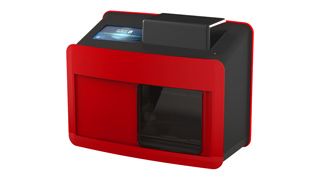
The Maelstrom Switch 8 is an automated nucleic acid extraction system that incorporates TANBead's patented spin-mixing technology to prevent the risk of sample cross-contamination. Designed for versatility, it features interchangeable gearboxes, allowing it to process different sample volumes to meet various needs. The Maelstrom Switch 8 offers customers both convenience and flexibility, making it a valuable tool in the laboratory.

Standards & Controls
Standardisation of NGS-based liquid biopsy assays featuring broad coverage of clinically relevant genomic alterations.

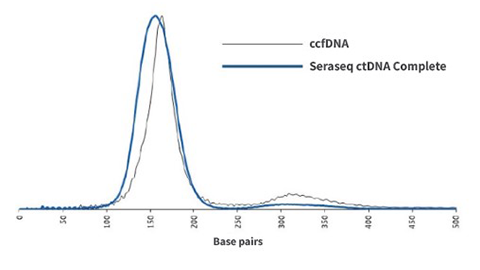
SeraCare’s patent-pending circulating tumor DNA (ctDNA) technology ensures the most patient-like ctDNA sizing, clinically-relevant variant coverage, and improved library complexity to accelerate liquid biopsy NGS assay development, validation, and routine clinical implementation.
- Comprehensive analytical validations and LoD determinations with range of AFs
- Natural cfDNA-like size distribution and performance
- Use as QC for plasma sample extraction efficiency and end-to-end assay workflow optimisation


What truly matters in cfDNA quality analysis.
The Agilent Cell-free ScreenTape assay uses the %cfDNA score to characterize HMW contamination and provides the actual cfDNA concentration.
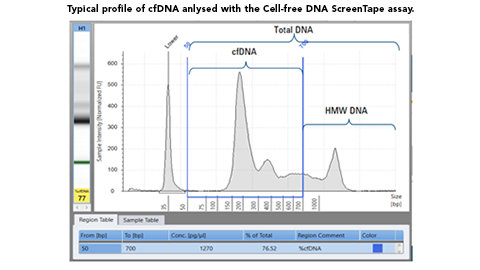
- Achieve accurate quantification and sizing of cfDNA samples between 50-800bp
- Automated qualification and digital assessment of % cell-free DNA
- Automated detection of HMW DNA

- A rapid, streamlined workflow for parallel, targeted RNA and DNA-seq from low-input and/or degraded samples using the Agilent SureSelect XT HS2 solution
- Fully automated workflow on Magnis NGS Prep System
- Robust performance metrics for highly degraded samples at 10ng input
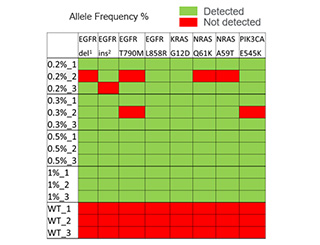
- Detect variants occurring at <1% allele frequency (see table)
- Uniform GC coverage even at low input

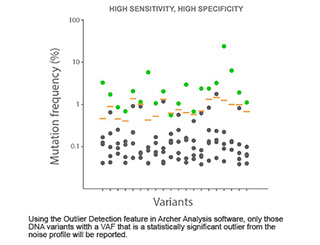
- Detect variants at 0.3% allele frequency with input as low as 10ng
- Sequencing-ready libraries in a single-day workflow (2.5 hours hands-on time)
- Integrated outlier detection and error correction for high sensitivity variant detection

- All-inclusive: Complete solution for bisulfite conversion followed by Whole Genome Bisulfite Sequencing (WGBS) library preparation.
- Low input: Accommodates ultra-low DNA input (down to 10 pg) and is compatible with FFPE samples.
- Simple: Ligation- and gel-free workflow can be completed in a few hours.


SeqOne’s ease of use makes the power of the underlying technology accessible, allowing users to efficiently obtain accurate and relevant results. From bioinformatics and quality control to security, the SeqOne platform manages the entire workflow of tasks required to produce a clinical-grade genomic report.
The platform automates repetitive tasks to let your team focus on what really matters: the patient.

Archer technology was designed as an NGS assay solution—which means it has inherent flexibility across different sample types (i.e. FFPE, fresh frozen, cytology smear, fine needle aspirate, and blood), nucleic acid inputs (i.e., DNA, RNA, and ctDNA), panel content, and genomic alterations (i.e. SNVs, indels, CNVs, MSI, and TMB). It also means easier adoption, training, and continued research use in your lab with multiple Archer panels.

Follow us